Start here
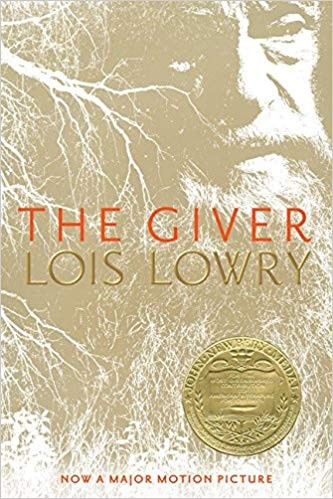
Jonas lives in a world without pain, color or choice, and at the Ceremony of Twelve he gets an Assignment nobody can even describe: he's to carry the memories of all of humanity.
Genre
A broken world, a government that controls everything and a teenager who's the first to say “no.” Here are the YA dystopian books I've rated, with age and spice for each.
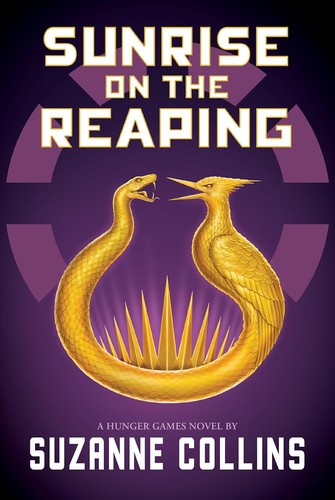
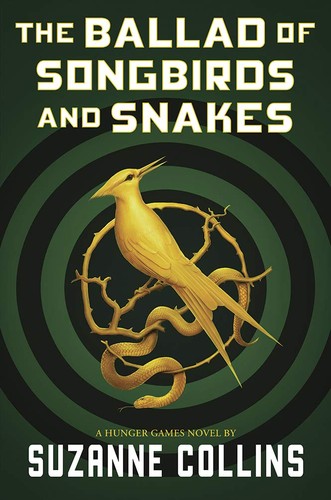
Top rated: Sunrise on the Reaping
 I read and rated every single one of these books myself. How I rate books
A dystopia is the opposite of a utopia: a future where something went very, very wrong. The state sorts people into factions, picks kids by lottery to fight to the death or takes away everyone's memories and colors – and everybody pretends that's just how things are. A YA dystopian novel puts a teenager in the middle of it all, lets them figure out how the system works and then watches them decide to break it.
Dystopian fiction is a branch of science fiction, just a narrower one. Sci-fi can be about technology, time travel or AI, and it doesn't have to be grim at all. This page is for dystopias and post-apocalyptic stories – worlds after the collapse, or right in the middle of it.
A government, factions, an arena. The hero starts out as a cog in the machine and ends up as the face of the rebellion.
The best dystopias hold up a funhouse mirror to reality TV, inequality or the comfort we trade our freedom for.
People die, people betray each other. Even in books for 12- and 13-year-olds, the violence can be serious.
A series can get a lot better or a lot worse from book to book, so I rate every book separately.
Ranked by my overall rating – it's on the sticker. Under each cover: the rating for connoisseurs 🧠, for comfort readers 💖, and the age I recommend it for.
First books in a series or standalones, each by a different author.
Start here
Jonas lives in a world without pain, color or choice, and at the Ceremony of Twelve he gets an Assignment nobody can even describe: he's to carry the memories of all of humanity.
For the connoisseur
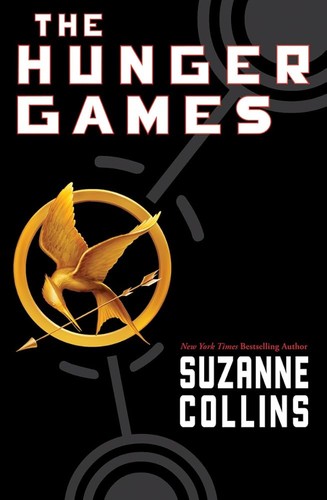
Sixteen-year-old Katniss volunteers in her little sister's place and lands in an arena where 24 teenagers fight to the death on camera for the whole country.
For the comfort reader
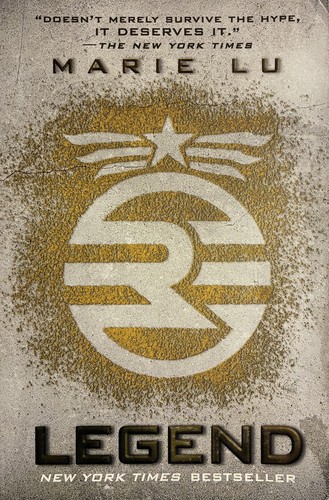
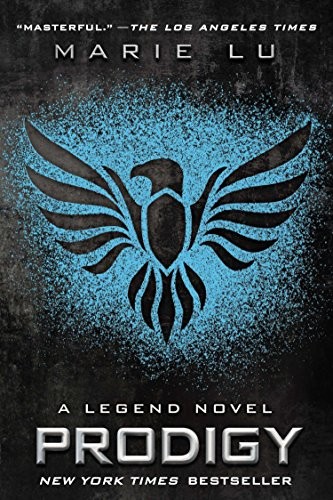
A fifteen-year-old prodigy in the Republic's army gets her first assignment: catch the most wanted criminal in the country, the boy she's told killed her brother.
| Feature | Dystopian | Science fiction |
|---|---|---|
| What it's about | A society that controls people | Technology, science, space, time |
| Mood | Grim, with hope in the rebellion | Anything from a funny adventure to horror |
| Examples | “The Hunger Games,” “The Giver” | “Warcross” by Marie Lu |
| Age | Usually 12-14+ | Can start at 10 |
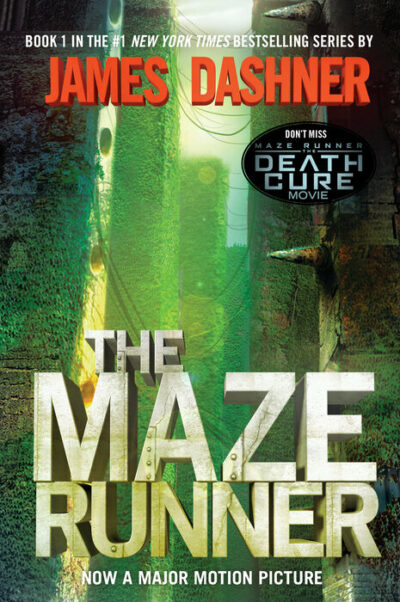
Post-apocalyptic means the world after a disaster: a war, a plague, an explosion. It often overlaps with dystopia, like in “The Maze Runner.”
Most of them work for ages 12-14 and up. I rate “The Hunger Games” 13+ with a spice level of 1 – there's barely any romance on the page, but kids kill kids, and that's not something to skim past. The exact age is right next to every cover above.
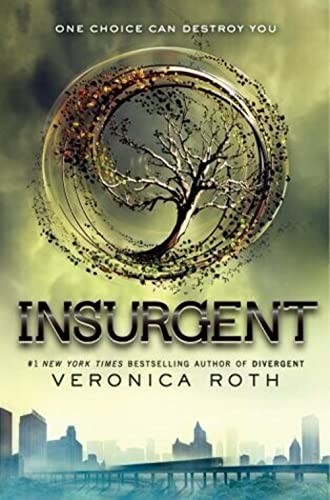
The classics of the genre are “The Giver” by Lois Lowry, “The Hunger Games” by Suzanne Collins, “Divergent” by Veronica Roth, “The Maze Runner” by James Dashner and “Scythe” by Neal Shusterman. On YA ranked, only “The Hunger Games” has a full review so far, so it's the only one with my ratings here.
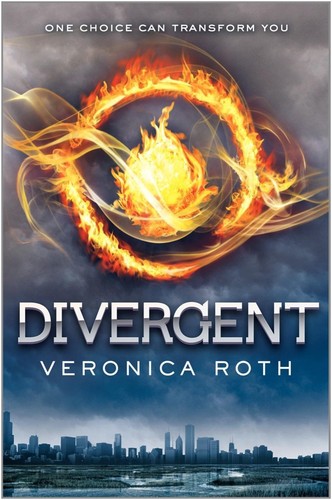
If you want more of the same – a teen against a regime – try “Divergent,” “The Maze Runner,” “Legend” by Marie Lu or “Red Queen” by Victoria Aveyard. If it was the strategy and the found family that hooked you, go for “Six of Crows”: it's fantasy, not dystopia, but it's the highest-rated book on the site. Or let the quiz pick for you.
Dystopia is a type of science fiction, but not all sci-fi is dystopian. A dystopia is about a broken society, while sci-fi can just as well be a cheerful adventure with a robot. The table above sums up the differences.