

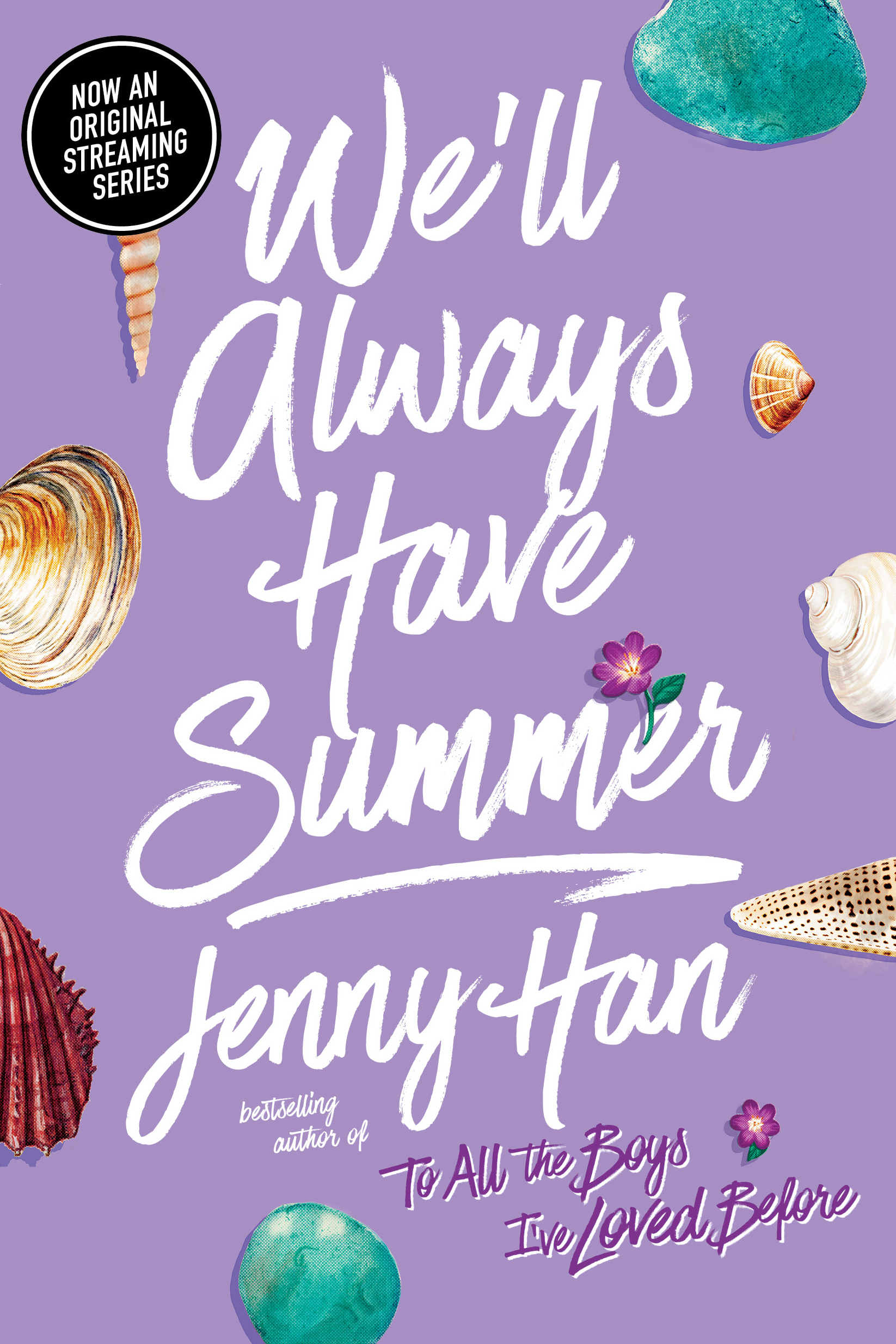

Tropes in this book
- Slow burn
Themes
- young adult
- trilogy finale
- love triangle
- two brothers
- teen wedding
- beach house
- grief
Read it if
- you've read the first two books and you need to know how the triangle with the Fisher brothers ends
- you want one more stretch of time in Cousins, between the pool, the beach and the deck with the grill going
- you like it when the cold, quiet boy finally gets his own chapters and turns out to be a real person, not a pose
Skip it if
- you can't stand heroines who decide their whole future in the middle of the worst fight of their lives
- wedding planning, stamps and vases don't sound to you like material for half a novel
- you want an ending you can't call from the prologue
Why this rating
🧠 For connoisseurs
4/10- Conrad up close. The chapters Conrad narrates are the best thing in this book. A late-night talk with his dad over bourbon, the memory of his mom's birthday that his dad forgot, and the admission that he put his father on a pedestal and then hated him for falling off it tell you more about this boy than two whole books of Belly sighing over him.
- Laurel. A mother who doesn't make a scene, just calmly says she won't be there and sticks to it for half the summer, is the best-written adult in the trilogy. Her breakfast with Conrad and the beer at the kitchen table the night before the wedding are quiet, and they land harder than every big declaration in the book.
- A wedding without a reason. The book asks its own most important question: why get married at eighteen when you could just move in together? Belly doesn't have an answer, and worse, neither does the author. The whole plot rests on a decision made in a dorm room about fifteen minutes after finding out about the cheating.
- Jeremiah falls apart. The warmest boy in the series gets saddled with cheating, his dad's credit card he's behind on, a thirty-eight-dollar rib eye on his future father-in-law's dime and an idea for a Tarantino-themed wedding. Each of those sins is believable on its own. Together they read like an indictment written to order.
- You can see the ending from space. If you've read the first two books, you'll guess how this one ends by the prologue. Then the epilogue sums up several years in a few paragraphs, as if the author were afraid the reader might have time to ask a question.
💖 For comfort readers
6/10- One last summer in Cousins. Peaches from a roadside stand, grilled chicken on the deck, night swims in the pool and Christmas lights strung up for the wedding. If you missed the beach house, you get it for a whole summer.
- The lifeguard stand. The late-night talk on the beach after the bachelor party is the scene fans bought this book for. There's a confession, there are tears, and there's an answer that hurts both of them.
- Taylor and Steven. A best friend with a wedding binder who announces to a total stranger in a bridal shop that Belly is three months pregnant, and a brother who hands his sister a gym-bro pep talk right before the biggest hour of her life. Without them it would get stuffy in here.
- Wedding planner, the serial. Stamps for the invitations, vases, catering, how many tables, apartment hunting. A good chunk of the middle of the book is a to-do list to check off before August, while Belly ping-pongs between the brothers until even the reader who only came for the feelings gets tired.
The book's four layers
Plot and pacing
The outline is simple: cheating, a proposal, a rebellion against Mom, a summer under one roof with an ex and a beach wedding as the ticking clock. The well-spaced Conrad scenes build real tension, but everything in between is wedding logistics. You can see the resolution coming from miles away, and the epilogue fast-forwards through several years so quickly I barely got to enjoy it.
Characters and relationships
Thanks to his own chapters, Conrad finally stops being a pose and becomes a person, and Laurel, Steven and Taylor all get great moments. Belly, on the other hand, spends the whole book reacting instead of deciding, and Jeremiah, the most likable guy in the series so far, gets boiled down to a list of flaws. Mr. Fisher gets one good scene and then disappears into the role of the guy paying the bills.
Writing style and atmosphere
Han writes lightly, with a great eye for detail and nostalgia, and switching between Belly's and Conrad's chapters gives the book room to breathe. The childhood memories (the glass unicorn, crabs in a cup, Valentine's Day on a blanket) are lovely, even if a few of them land in their spots with the precision of a playwright who really, really wants you to cry. Belly's monologues about love still read like diary entries.
Entertainment and value
Fans of the trilogy get the finale they've been waiting for and a few scenes that tighten your throat. Along the way, though, there's a lot of running in place, and the decision the whole story stands on didn't convince me for a second. It closes the series, but it doesn't lift it.
The book in brief, spoiler-free
Belly is eighteen, she has a ring from Jeremiah and a plan to get married at the beach house in August – except her mom says she won't come, and Conrad is spending the summer in that very same house. The trilogy finale is at its best when it hands the mic to Conrad and Laurel, and at its worst when it asks you to believe this wedding makes any sense at all.
Want the plot step by step?SummaryA quote that stuck with me
“Firsts were important. But I was pretty sure lasts were even more important.”We'll Always Have Summer, Jenny Han
Themes it explores
Jenny Han closes the trilogy by asking whether first love is something you grow out of or something you carry for good. Belly is eighteen, with a boyfriend she has known since the day she was born and a ring that was supposed to paper over the cheating. She thinks a wedding at the beach house will keep everything the way it used to be: two families, one summer and her, a Fisher forever. Except Susannah is gone, Laurel has no intention of clapping, and the house where Belly is planning her wedding is home to the boy she was supposed to stop thinking about. The book is most interesting when it talks about the grown-ups: a mother who refuses to take part in something she thinks is a mistake, a father trying to hold on to his sons without knowing how to talk to them, and a promise made at a dying woman's bedside that can steer someone's life for years.
The main threads: a triangle with two brothers (Belly between Jeremiah, who was always there, and Conrad, who always walked away); a teen wedding (an engagement after cheating, parents who say no and the question of what the rush is); mother and daughter (Laurel and Belly on opposite sides for the first time in their lives); grief (a garden named for Susannah, her letters for the wedding day and a family still learning to live without her); brothers and their father (the rivalry between Conrad and Jeremiah, the promise made to their mom and Mr. Fisher left alone with responsibilities he never actually took on); secrets (the cheating in Cabo and the Christmas in Cousins nobody talked about, two sides of the same trust problem); and memory (childhood memories Belly trusts completely, right up until it turns out she remembers some of them wrong).
Questions and answers
Is We'll Always Have Summer the last book in the series?
Yes. It's the third and final book in Jenny Han's Summer trilogy, after The Summer I Turned Pretty and It's Not Summer Without You. Belly's story with the Fisher brothers wraps up here, including an epilogue that jumps several years ahead. Prime Video adapted the trilogy as a TV series, but this review is about the book.
Do I need to read The Summer I Turned Pretty first?
Yes, and It's Not Summer Without You too. The reading order is The Summer I Turned Pretty, It's Not Summer Without You, We'll Always Have Summer. This book assumes you know what happened at the motel and why Belly and Conrad broke up, so starting here makes no sense.
Is We'll Always Have Summer appropriate for 12 year olds?
I keep the same 13+ rating as for the whole series, although this book is noticeably more grown-up. The characters are in college now, so there's more drinking and more talk about sex: about cheating, about a first time, about a night in a hotel in Cabo. There are no sex scenes, and it stops at kissing. In the background there's still grief after losing someone close, handled seriously. For most 12-year-olds I'd wait a year.
How spicy is We'll Always Have Summer?
2/10 on my spice scale. It's kissing, an almost-kiss and a lot of talk about what happened in Cabo, with no sex scenes on the page. The heat here is all longing and fighting.
How many pages is We'll Always Have Summer?
320 pages in the US paperback from Simon & Schuster Books for Young Readers, though it depends on the edition. The chapters are short and switch between Belly and Conrad, so it reads fast.
Who is We'll Always Have Summer for?
Comfort readers who've read the first two books, need to know who Belly ends up with and are happy with the Cousins vacation vibe. Connoisseurs will appreciate Conrad's chapters and the portrait of Laurel, but a plot built on a wedding with no real reason probably won't win them over. If you liked Always and Forever, Lara Jean, you'll recognize the dilemma of a girl choosing between her past and her future. It's YA, not adult fiction.
What about you? Have you read this book?
Reader ratings
Your rating might be totally different from mine. A lot depends on when you pick it up.
Your rating on a 1-10 scale
No login needed. One vote per browser – you can change it later.
Disagree? Rate the book above or message me on Instagram or TikTok.
What to read next
 It's Not Summer Without You
Jenny Han
Same series.
★ 6/10🧠 5💖 6🌶️ 213+
Read the review
 The Summer I Turned Pretty
Jenny Han
Same series.
★ 6/10🧠 5💖 6🌶️ 213+
Read the review
 Always and Forever, Lara Jean
Jenny Han
Another Jenny Han trilogy finale where the heroine decides about college, her boyfriend and how fast she wants to grow up.
★ 6/10🧠 5💖 7🌶️ 314+
Read the review