



Tropes in this book
- Friends to lovers
- Slow burn
Themes
- young adult
- grief
- love triangle
- two brothers
- beach house
- summer romance
- coming of age
Read it if
- the winter epilogue of book one has been living in your head and you need to know where it took Belly and Conrad
- you want a novel about grief where the sadness has the faces of teenagers and their parents, not a self-help book
- you like YA where the grown-ups are real people with their own guilt and their own pain
Skip it if
- one book of Conrad pulling you in and shoving you away was plenty
- you want a big plot, and this whole story fits into a few days and one house
- losing a mother is too close to home for you right now
Why this rating
🧠 For connoisseurs
5/10- Grief taken seriously. Han doesn't use Susannah's death as wallpaper for a romance. Everyone carries it differently: Laurel buries herself in the paperwork of the will, Mr. Fisher cries at the funeral like a lost little kid, and Jeremiah wants to talk about his mom and has no one to talk to. Susannah's floppy hat turning up in the linen closet hurts more than any big speech.
- Jeremiah's voice. The chapters from his side are the best idea in this book. One memory of wrestling his brother, where their dad only says “good job” to the winner after the loser says it first, tells you more about the Fishers than every fight at the kitchen table.
- Laurel steps up. Belly's mom, cool and sensible to a fault in book one, cracks here, gets things wrong, apologizes, and then does something nobody saw coming. The best-written character in the series.
- Conrad on repeat. He shoves her away, pulls her close, says something cutting, then whispers at night that he didn't mean it. By round three it stops reading as a portrait of a grieving boy and starts reading as a device to keep you hooked on the triangle.
- Cardboard Taylor. The best friend is there to swap the clothes in Belly's bag and to have one furious phone call. We learn nothing about her that we didn't already know from book one.
- A long weekend of plot. Find Conrad, save the house, drive him to his exams. Flashbacks fill the rest of the pages, and while some are lovely, others retell things anyone reading the series already knows.
💖 For comfort readers
6/10- The triangle gets real. This time both brothers have a point and a voice, so rooting for just one of them stops being easy. Every scene with the three of them crackles, even when nobody says a word.
- Cousins one more time. Penny candy by the pound at the local store, a late-night party with the town kids, getting thrown into the pool fully dressed, Slurpees half Coke, half cherry. The nostalgia still works, even if everything now smells like grief.
- No dead air. A few days in July leave no room for slow stretches, and the blowup over the house and the breakfast with Mr. Fisher are scenes you read holding your breath.
- Sadness instead of sunshine. If you're expecting the breezy vacation feel of book one, you get a funeral, family fights and a heroine who cries more often than she laughs.
- The same scene on a loop. Belly tries to fix something, Conrad brushes her off, Belly runs to the beach. That dance comes around so often that I started losing patience.
- A door to book three. The last chapters reshuffle everything in a hurry, and the epilogue asks a question and sends you to the next book for the answer.
The book's four layers
Plot and pacing
The skeleton is modest: find Conrad, get him back to his exams, and figure out along the way that this is really about the house. That's enough for a few days of action and a couple of strong scenes, the fight with Mr. Fisher above all, but the rest is padded with flashbacks, and not every one of them earns its spot. The ending shifts the balance of power hard, it just does it at a sprint.
Characters and relationships
Jeremiah finally gets his own voice and turns out to be far more interesting than the eternal goofball from book one. Laurel and Mr. Fisher are flesh-and-blood adults carrying guilt that can't be wiped away. Belly is selfish and chaotic, but it's the selfishness of a grieving sixteen-year-old, and Han doesn't whitewash it. Weaker: Conrad, whose drama we know by heart by now, and Taylor, who has no real features at all.
Writing style and atmosphere
Han writes simply and with nostalgia, and she's best on grief when she says the least: a hat in a closet, old glasses worn to a funeral, a home video from summers past. Belly's inner monologues about love still read like diary entries, turning the same thought over and over.
Entertainment and value
I read it invested, though with less pleasure than book one, because this book gets sadder with every chapter and doesn't try to sweeten it. For readers of the series it's a must, since it moves every piece book one set up. As a standalone, it holds up less well.
The book in brief, spoiler-free
Two months after Susannah's death, Belly is spending her first summer ever away from Cousins – until Jeremiah calls to say Conrad has vanished from college and asks her to help find him. A shorter and much sadder sequel to The Summer I Turned Pretty, where grief takes the lead and the triangle with the Fisher brothers stops being a vacation game.
Want the plot step by step?SummaryA quote that stuck with me
“We all love her, and nobody can talk about her.”It's Not Summer Without You, Jenny Han
Themes it explores
Jenny Han writes about a summer that isn't there. For Belly's whole life, the house in Cousins Beach was the place where everything was where it belonged, and now it turns into a battlefield: over Susannah's memory, over who gets to decide what happens to her things, and over whether a childhood crew can survive growing up. Under the beach-house set dressing, Han hides a story about grief in several versions at once, because each character carries it differently and none of them can say it out loud. The romance matters, but it's the loss that sets every relationship in this book, including the one between mother and daughter.
The main threads: grief (Susannah's death, which some drown out with work, some with running away and some with silence); the beach house (the threat of selling a place where every corner remembers the old summers); a triangle with brothers (Conrad, who can't show what he feels, and Jeremiah, who has been patiently waiting his turn since last summer); a father and his sons (Mr. Fisher, who wronged his wife and is now trying to make up for it his own way); mother and daughter (Laurel and Belly, who stop hearing each other in their grief and have to find their way back); friendship (Taylor, who wants what's best for Belly, but always on her own terms); and growing up (the summer Belly stops chasing boys and starts deciding for herself what she wants).
Questions and answers
Do I need to read The Summer I Turned Pretty first?
Yes. This is book 2 of Jenny Han's Summer trilogy, and it opens two months after events that book one only hinted at – without that first summer, Belly's history with Conrad and Jeremiah loses half its meaning. The reading order is simple: The Summer I Turned Pretty, It's Not Summer Without You, We'll Always Have Summer. The trilogy was also adapted into a Prime Video series.
Is It's Not Summer Without You appropriate for 12 year olds?
I'm keeping the same age rating as the rest of the series, 13+, but fair warning: this book is heavier than the first one. At its center are a mother's death and grief, handled seriously and without medical detail. The teens drink more than before, and Belly gets drunk on tequila and wades into the ocean. There's swearing, some ugly family fights and a slap from a parent. For a younger reader, it's a book worth talking through with an adult.
How spicy is It's Not Summer Without You?
2/10 on my spice scale. It stops at kissing and at conversations about who has already slept with whom – no sex scenes at all.
How many pages is It's Not Summer Without You?
About 320 pages in the US paperback from Simon & Schuster Books for Young Readers, though it depends on the edition. The action covers just a few days in July, so it reads fast.
Is It's Not Summer Without You YA or adult?
YA. Belly is sixteen, almost seventeen, Conrad has just turned eighteen and is finishing his first year of college, and the book is about grief, first love and family – nothing here pushes it toward adult fiction.
Who is It's Not Summer Without You for?
For readers of book one who can't stop thinking about the triangle with the Fisher brothers, and for anyone looking for a YA novel that deals with grief head-on. Connoisseurs will be won over by Jeremiah's chapters and a terrific Laurel, less so by Conrad in a role we've already seen. If you want a light summer romance, go back to book one or pick something sunnier.
What about you? Have you read this book?
Reader ratings
Your rating might be totally different from mine. A lot depends on when you pick it up.
Your rating on a 1-10 scale
No login needed. One vote per browser – you can change it later.
Disagree? Rate the book above or message me on Instagram or TikTok.
What to read next
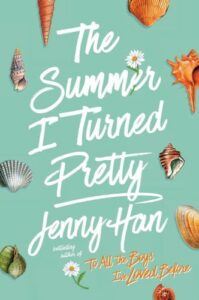 The Summer I Turned Pretty
Jenny Han
Book 1, where you have to start: the same Cousins, before everything fell apart.
★ 6/10🧠 5💖 6🌶️ 213+
Read the review
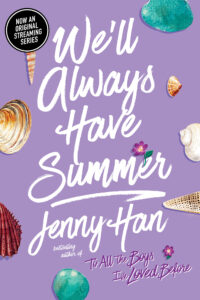 We'll Always Have Summer
Jenny Han
Book 3, where the trilogy finally answers the question the epilogue leaves hanging.
★ 5/10🧠 4💖 6🌶️ 213+
Read the review
 P.S. I Still Love You
Jenny Han
Also by Jenny Han.
★ 6/10🧠 5💖 7🌶️ 214+
Read the review