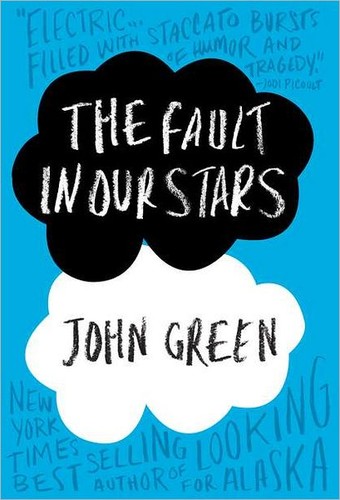

Tropes in this book
- Plot twists
Themes
- sick lit
- cancer romance
- first love
- star-crossed lovers
- tearjerker
- Amsterdam trip
- grief
Read it if
- you want a tearjerker about terminal illness that treats its characters as people, not as a lesson
- you're the reader who fills a notes app with lines from every book you finish
- you want teenagers written as smart, funny and grown-up instead of a TV cliche
Skip it if
- you've seen A Walk to Remember and similar movies and don't need the same heartbreak twice
- a love story that's too beautiful to be true pulls you straight out of a book
- you're looking for gritty realism about illness, not a romance with a fairytale glow
Why this rating
🧠 For connoisseurs
7/10- Big questions, small sentences. This book is a goldmine of thoughts about pain, about living and about dying, and it never talks down to the reader. Hazel and Gus argue about oblivion and meaning the way other couples argue about pizza toppings, and that gives the whole thing a grown-up depth.
- Augustus and the turns. Augustus Waters is one of a kind: dramatic, generous, a little ridiculous and completely sincere. On top of that, the story takes turns you don't fully see coming, even if you think you know how a cancer novel goes.
- Teens who sound like people. Green writes his characters in an unusual, mature way. After years of movies and shows where teenagers are either brats or punchlines, it's a treat to read sixteen-year-olds who think hard, read books and say what they mean.
- Amsterdam on a soft-focus filter. At times the story stretches it, especially in Amsterdam, where everything is so perfect and so beautifully staged that it stops feeling true. Some moments there read more like a movie scene than like two sick kids on a trip.
- Seen this one before. Too much of it follows the shape of movies like A Walk to Remember. I knew the emotional beats before they landed, and for me that took some of the power out of them.
💖 For comfort readers
9/10- Big feelings. At times this book is magical and at times it wrecks you. If you want to cry over a story, you'll get exactly that, and more than once.
- The familiar shape. It follows the pattern of movies like A Walk to Remember, and if you love that kind of story, the comfort of knowing where you're headed is part of the fun.
- The fairytale romance. Amsterdam delivers moments that are too beautiful to be real, and that's exactly the point if you came for the romance.
- The classic threads. It's a lovely novel about friendship, love and growing up, with a best friend, parents who are trying their best and a first love that matters.
- An easy read. John Green's writing is simple, smooth and pleasant, so the pages go fast even when the subject is heavy.
The book's four layers
Plot and pacing
The core is a moving story of Hazel Grace, who has terminal cancer, and Augustus Waters, and at times it's pure magic. Still, it's a well-worn kind of story, and in places, Amsterdam above all, the plot bends a bit too conveniently toward the beautiful.
Characters and relationships
The cast overall is fine, but Augustus Waters is excellent. He's the book's biggest strength: funny, theatrical and deeply kind, and he gives the whole story its depth and its personality. Hazel's dry wit and her best friend Isaac help a lot too.
Writing style and atmosphere
The style is simple but mature, with no showing off for its own sake. What stands out most is how Green writes teenagers: thoughtful, articulate and taken seriously, which feels rare next to the way most media portrays them.
Entertainment and value
It's a good novel, and for readers who connect with the story it will be close to perfect. It pulls you in and it moves you, even if you can feel the formula under some of the biggest scenes.
The book in brief, spoiler-free
Sixteen-year-old Hazel has terminal cancer, an oxygen tank she drags everywhere and zero interest in her support group, until Augustus Waters walks in and turns her careful, shrinking life upside down. Gus is the heart of this book and nearly every chapter has a line you'll want to underline, but the story runs on a formula I'd already cried through at the movies.
Want the plot step by step?SummaryThemes it explores
At its center, this is a book about life: how to live one well when you know it will be short, and how to keep chasing what you want when your body keeps saying no. Hazel worries about being a grenade that will hurt everyone around her when it goes off, Gus is afraid of being forgotten, and their friendship, their love and their slow growing up are all ways of answering those fears. It's a story about not giving up on your dreams despite the odds, and Augustus is the axis of it all, the character who gives the book its depth and its pulse.
The main threads: illness and mortality (terminal cancer seen from the inside, with oxygen tanks, scans and hospital stays described plainly); first love (two sick teenagers who refuse to let their diagnoses decide whether they get a love story); meaning and memory (what it means to matter, and whether you need to be remembered by the world or just by a few people); parents and family (Hazel's mom and dad trying to hold it together for her); books and authors (Hazel's obsession with a novel that ends mid-sentence and the trip to Amsterdam to ask its author what happens next); and friendship (Isaac, Gus's best friend, who is facing his own losses).
Questions and answers
Is The Fault in Our Stars appropriate for 12 year olds?
My rating is 13+. There's nothing graphic, just a little swearing and one non-explicit love scene, but the weight is real: terminal illness, a teenager's decline described plainly, death and grief. A mature 12-year-old who loves sad books can handle it, ideally with an adult to talk it through. If someone in the reader's family is sick or has recently died, read it yourself first.
How spicy is The Fault in Our Stars?
1/10 on my spice scale. There's kissing, including one very famous kiss in Amsterdam, and one scene where Hazel and Gus sleep together, told tenderly and with almost no detail. It's about closeness, not heat.
Is The Fault in Our Stars a series?
No, it's a standalone with no sequel, so there's no reading order to worry about. John Green's other novels, like Looking for Alaska and Paper Towns, are standalones too, and you can read them in any order. The book was also adapted into a 2014 movie.
How many pages is The Fault in Our Stars?
The 2012 US hardcover from Dutton Books is listed at 336 pages, though it depends on the edition; the US paperback is listed at 352. The chapters are short and the prose is easy, so most readers finish it in a weekend.
Is The Fault in Our Stars YA or adult?
It's young adult. Hazel, the narrator, is sixteen, and the story is about first love and growing up. That said, plenty of adults read it and cry just as hard.
Who is The Fault in Our Stars for?
Both groups, for different reasons. Comfort readers (9/10) get a tearjerker with a love story that sweeps you off your feet. Connoisseurs (7/10) get Augustus and a goldmine of reflections on life and death, though the plot follows a well-worn track. It's a must for anyone who loves stories about terminal illness and saying goodbye.
What about you? Have you read this book?
Reader ratings
Your rating might be totally different from mine. A lot depends on when you pick it up.
Your rating on a 1-10 scale
No login needed. One vote per browser – you can change it later.
Disagree? Rate the book above or message me on Instagram or TikTok.
What to read next
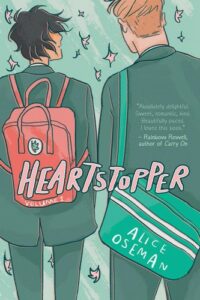 Heartstopper: Volume 1
Alice Oseman
Another tender teen first love, with the same warmth and a lot fewer tears.
★ 7/10🧠 6💖 8🌶️ 213+
Read the review
 Nothing Like the Movies
Lynn Painter
Also: grief and guilt.
★ 6/10🧠 4💖 7🌶️ 213+
Read the review
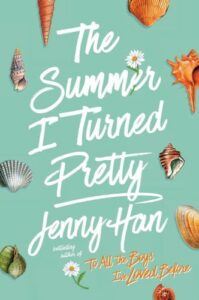 The Summer I Turned Pretty
Jenny Han
Also: first love.
★ 6/10🧠 5💖 6🌶️ 213+
Read the review